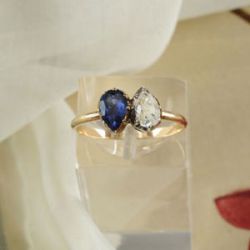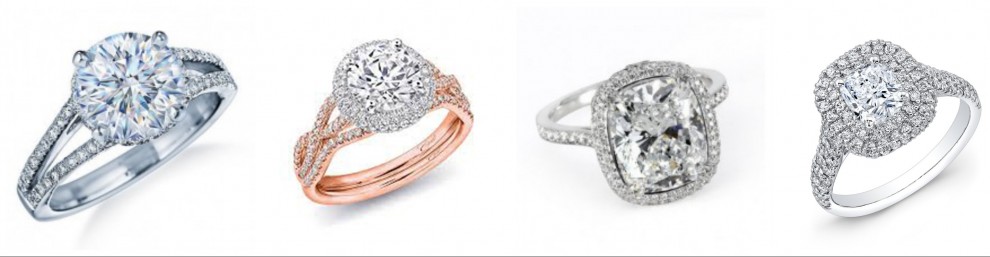
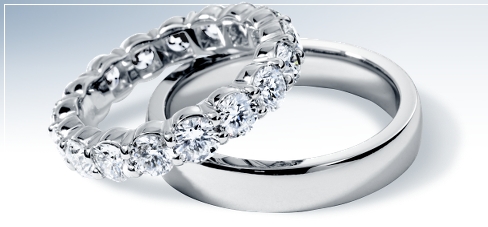
When you find that special someone to share the ultimate love with, the beautiful moment is celebrated with a promise, represented by your first keepsake – your engagement ring. It is a precious moment ‘frozen in time’, only equaled by the exchange of wedding bands
It is so important to select what you absolutely love. This is not a time to make a hasty decision. I hope to never again see a bride come to me, sobbing, saying that she hates her wedding band, asking my advice on how to change it without hurting the groom’s feelings. So, how do we avoid this pitfall and head toward marital bliss? It all starts with this simple, but vital advice I offer at the time of the engagement ring purchase:
“Do not buy your wedding bands at the same time you purchase your engagement ring.”
This statement is almost always met with reactions ranging from astonishment to confusion. The most common replies from the gentleman, or couple that have just chosen their engagement ring are:
“I love the quality, design and value of this engagement ring. Why don’t you want to sell us our wedding bands?”
“I trust you. I want to buy from you. Why are we waiting?
“I am so in love, and found who I want to share the rest of my life with. We’re ready to move ahead with all the planning and details. There’s so much to do. Can we just get this checked off our check list?
I explain that waiting is entirely in their best interest. Now that I have piqued their curiosity, and have their complete attention, it is time to offer my recommendation on the best time to buy their wedding bands and why.
The best time to buy your wedding bands is berween three and four months prior to your wedding. In the case of a shorter engagement period, the mid point between engagement and wedding is best; as long as it is six to eight weeks before the wedding
The primary reason not to purchase too soon is the same reason why the store selling you the engagement ring is pushing hard for you to buy immediately. The chances of the bride knowing the wedding band design she ultimately desires is very small at the time of engagement. Most brides think they know, but that opinion changes the vast majority of the time. This is because she has never worn a diamond ring of this significant magnitude on a daily basis before in her life.
She will need time to get a feel for her beautiful ring by wearing it for many weeks to months before making this next big decision. It is amazing to witness how most of the women who are so sure they want one design ultimately switch to a totally different style. From a diamond eternity band to classic platinum band, from an eternity to partial diamond band, from a matching band to a completely unique style. Furthermore, both partners need to have sufficient time to be able to provide educated input on each others rings.
You are probably now beginning to realize why the jewelry store in the mall, or on Main Street offer such wonderful ‘discounts’ when purchasing the matching wedding bands in conjunction with the engagement ring. They are well aware of the very high probability that your fiancee will ultimately decide against a matching band, and that their ‘discount’ in the long run will provide you no savings at all, while they profit off your change of heart. You may not even realize yet, that their discounted price is actually a high retail price that can be beat by 50% or more at a true wholesaler. So many couples are mistakenly advised on the timing of their wedding band purchase, even by the many bride’s magazines. These publications feature articles that completely miss the point by suggesting the best times to buy wedding bands are Christmas, Valentines day, and the end of the month when stores are trying to make their sales quotas.
In reality, Christmas and Valentines Day are the times when prices are the highest, making them the worst times to make a purchase. The advertised ‘holiday sales’ are a ruse where prices are first marked up, then a percentage discount is offered. The actual purchase price is higher than off season regular prices, in most cases. The end of month suggestion exhibits a ‘retail mentality’. A smart shopper with time can find a true jewelry wholesaler or distributor in their town, where prices are a fraction of retail.
Now, why is it best to purchase at least three to four months in advance of your wedding day? There are many answers to this question, but two equally significant primary factors are:
1. There are so many unpredictable variables that will come up the last few weeks before the wedding. Giving yourself a suitable amount of time, knowing that the bands are chosen, purchased and in your possession, relieve unnecessary stress as ‘the big day’ approaches.
2. Some wedding bands need to be custom designed, and that process can take many weeks. At the conclusion of the design process, both of you must be available for pickup to check sizing, and confirm that all the workmanship is perfect. Your time becomes so very precious as you approach the wedding day, making both your availabilities far from a given.
Having been in this business for two and a half decades, there is an endless stream of advice that it is my pleasure to pass on regarding weddings bands, but I will just just touch on two more here. The first is in response to advice published in Martha Stewart’s Bride 101 guide. She offered this advice to brides in reference to the engagement period, “A natural place to start delegating is with your groom, tradition dictates he has the task of purchasing the wedding bands.” My goodness, this is such misplaced advice. The decisions made about your matrimonial jewelry will stay with you for a lifetime. The engagement ring purchase involves the romantic element of surprise (hopefully he has picked up on your cues or asked your best friend for advice!). However, the wedding band decision is for the couple, together.
The second tip is for the groom. So many men come to me and say they are not ‘jewelry people’, and are not really inclined to wear a wedding band. I have and will always strongly advise them to reconsider. Every newly-wed and forever-wed woman loves a man who wears a wedding band with all her heart. It’s something they will always notice right away. Women feel it’s a very special sign and recognition of a man’s commitment to her, and her to him.
As your wedding bands represent your promise to each other, they are a keepsake of your eternal love. Over the years, as you share your love, you will celebrate many joys. Every time you see and wear your precious rings, they’ll take you right back to that magical moment when you said, “I do.” and began your ‘love story’ together.